
Corporate AI Assistant Development
We build AI assistants for your corporate website or internal processes that answer customer questions, search documents, or take over a repetitive task. We work with Claude, OpenAI and Gemini, choosing the model by use case rather than habit. Our own product experiment, ContentFlow AI, tested this integration experience firsthand.
Common problems we see in corporate AI assistant projects
The assistant launches as a generic model's default configuration; without scope defined around the organization's own process and content, answers end up off the mark.
An assistant launched without guardrails tries to answer off-topic questions and can produce statements that create liability for the organization.
Cost and usage weren't modeled upfront, so the bill becomes unpredictable as usage grows and the project loses its sustainability.
How we work
A corporate AI assistant's value doesn't come from answering every query -- it comes from giving the right answer from the right source to the right query. That's why we start from the use case, not the model: will the assistant answer customer questions, search internal team documents, or fill out a repetitive form -- each scenario calls for a different architecture, different data access and a different guardrail set. Without that clarity, an assistant either stays too narrow to be useful or keeps an undefined scope and loses reliability -- both carry reputational risk for the organization and are hard to walk back.
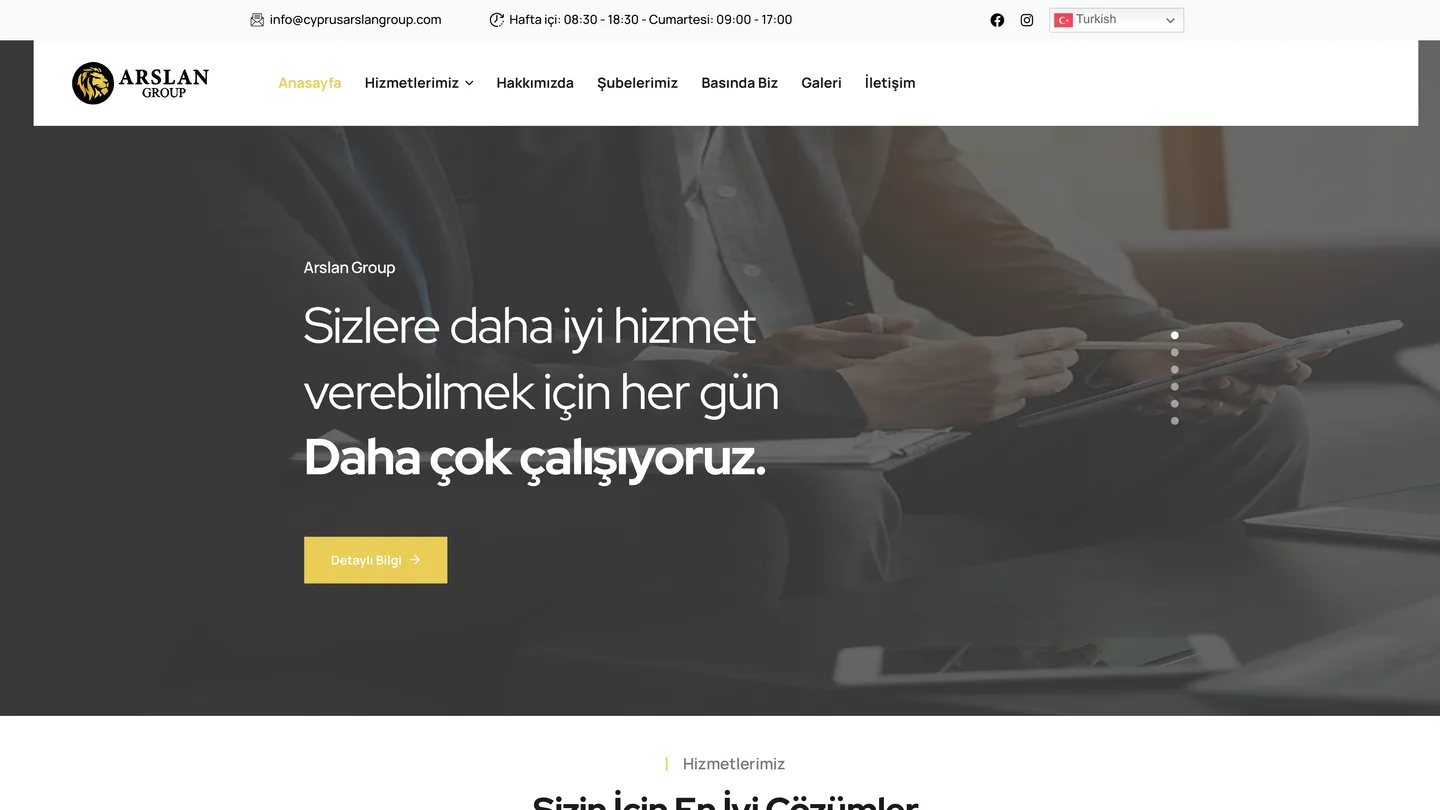
You've seen how we build multilingual structure and corporate trust on projects like BT Elevator and Arslan Group; on the AI-integration side, we tested our experience with our own product, ContentFlow AI -- a prototype that speeds up the steps from content idea to draft to publishing with AI, demonstrating our capability in model selection, flow design and productization. On corporate assistant projects we combine both experiences: we build an AI layer on top of the organization's existing content and process infrastructure, with a security and guardrail layer added in; we choose between Claude, OpenAI and Gemini by use case rather than habit, so we're never locked into a single provider.
In the end, the goal is for the assistant to stay measurable and predictable. We track which questions get answered, where the assistant steps back, and how cost trends; what data each answer was generated from is logged. Internal data privacy and which data goes to which model is a design decision settled at the start of the integration -- not a safeguard bolted on afterward -- and it's reviewed throughout the process. That lets the organization manage the assistant as a system with defined responsibility rather than an experiment, able to explain in hindsight what was said and why -- making legal and reputational risk visible upfront.
What this solution includes
- Use-case definition -- what the assistant will answer, what data it can access, and what it should never do are defined upfront.
- RAG and document-based responses -- the assistant answers from your own organization's documents and content, not mixed with general internet knowledge.
- Guardrails and scope limits -- the assistant doesn't stray outside its defined topic; filters reduce the risk of incorrect or misleading answers.
- Cost control -- model selection and request management are designed so cost stays predictable as usage grows.
- Traceability -- what data each answer was generated from, and its cost, is logged; the assistant never operates as a black box.
Related projects
View all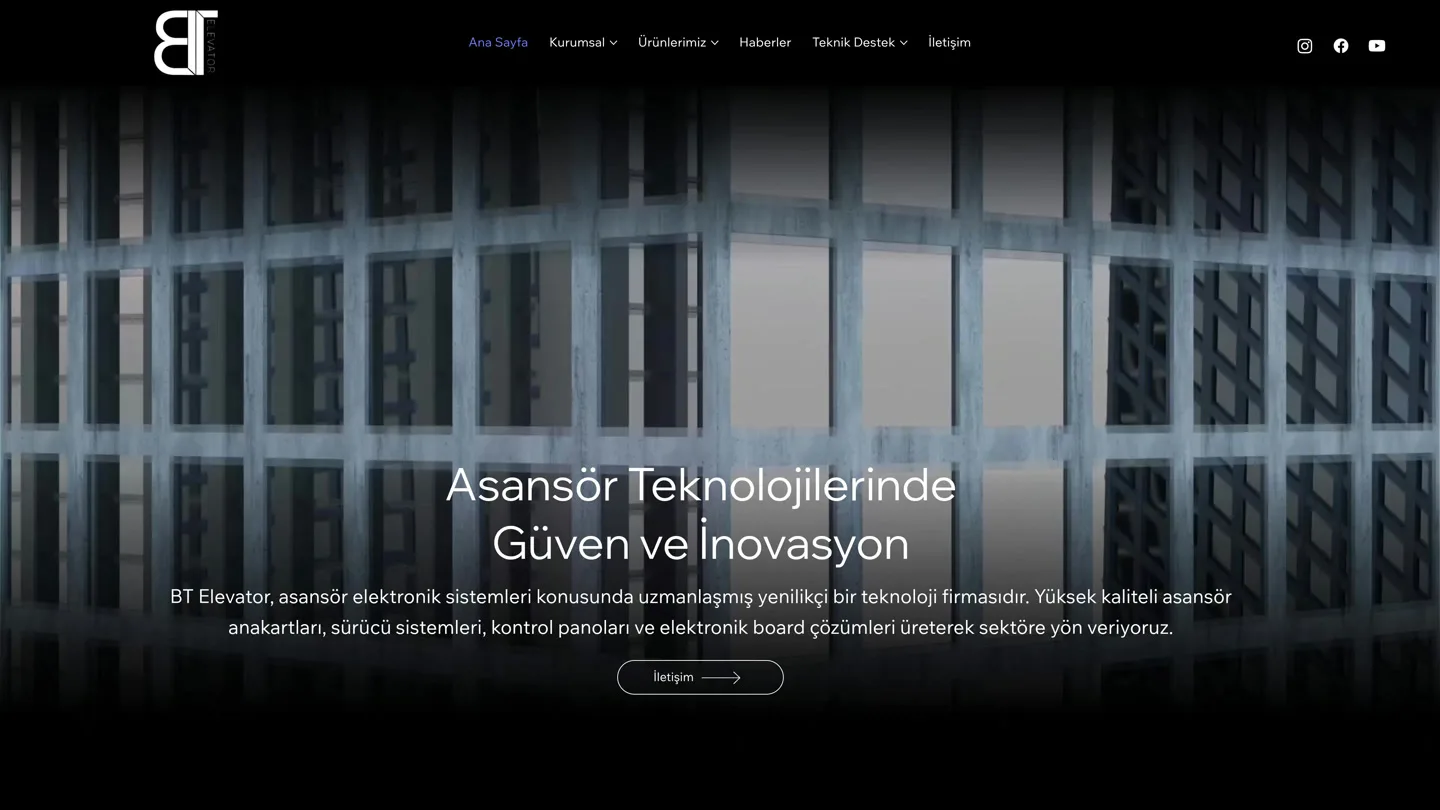
Service
Frequently asked
Industry and related solutions
Other solutions
Let's talk about the right AI assistant for your organization -- write to us.
Describe what you need; we’ll reply within 24 hours with a concrete roadmap.